The Best of Basque Country France – A Complete Guide
If you’re dreaming of dramatic coastlines, charming fishing towns, colorful markets, delicious cuisine and a culture unlike anywhere else in Europe, Basque Country France should be high on your list. Nestled along the southwestern corner of France, hugging the border with Spain and the Bay of Biscay, this region offers a unique blend of French sophistication and proud Basque traditions. From the glamour of Biarritz to the medieval streets of Bayonne, the foodie delights of Basque food, and the seaside charm of Saint Jean de Luz France, there’s so much to explore.
In this guide, we’ll take a deep dive into the Basque region, looking at when to visit, what to eat, and most importantly, the best places to visit in French Basque Country.
* Disclaimer: Please note some of the links in this post are affiliate links. Purchasing through these links earns us a small commission at no extra charge to you.
French Basque Country: A little to know before you go
Where is Basque Country?
The Basque region spans both France and Spain, but in this post, we will be focusing on the French side. Basque Country France is located in the Pyrénées-Atlantiques department of the Nouvelle-Aquitaine region. It stretches along the Atlantic coast, from Bayonne in the north to Hendaye in the south, right on the Spanish border, and inland to picturesque villages tucked in the Pyrenees foothills.
What makes this area so fascinating is its distinct identity. The Basque country language, known as Euskara, is one of the oldest living languages in Europe and is spoken alongside French. Road signs are often bilingual, and locals take great pride in preserving their traditions, from sports like pelota to festivals and cuisine.
When to Visit Basque Country France
Timing your trip to Basque Country France depends on the experience you’re after:
- Spring (April – June): The weather is mild, wildflowers bloom, and it’s less crowded, making it a fantastic time to explore the coast and countryside.
- Summer (July – August): The peak season for sunshine, festivals, and beach life. Expect bustling towns like Biarritz and Saint Jean de Luz France to be lively with visitors.
- Autumn (September – October): Warm seas and quieter towns make this an ideal balance of good weather and fewer crowds. This is also the time of harvest and food festivals, perfect for enjoying Basque food and wine.
- Winter (November – March): While beach life slows down, nearby ski resorts in the Pyrenees are in full swing. Cities like Bayonne and Biarritz remain charming year-round.
Basque Country Treats – A Food Lover’s Paradise
Food is at the heart of the Basque region, and one of the best ways to experience the culture is through its flavors. Some unmissable Basque food and specialties include:
- Bayonne Ham (Jambon de Bayonne): Salted and air-cured, this ham is a signature delicacy and protected by geographic indication.
- Basque Cake (Gâteau Basque): A sweet pastry typically filled with cream or cherry jam, originating from the village of Cambo-les-Bains.
- Espelette Peppers: Grown in the town of Espelette, these mild red peppers are used in nearly every local dish.
- Pintxos: While more common across the Spanish border, you’ll find plenty of tapas-style bites in French Basque towns, especially in Biarritz and Bayonne.
- Cidre & Irouléguy Wine: Local beverages complement the cuisine perfectly, with Basque cider served in long pours and regional wines offering unique flavors.
Best Places to Visit in French Basque Country
The beauty of Basque Country France lies in its diversity. You can travel in a relatively compact area but encounter glamorous seaside resorts, rustic villages, and rolling green hills. Let’s take a journey through the top places to visit, moving roughly from north to south and then inland.
Bayonne – The Cultural Capital
Known as the historic heart of the Basque region, Bayonne is famous for its narrow medieval streets, timber-framed houses, and its Gothic cathedral (a UNESCO World Heritage Site). It is also the birthplace of Bayonne ham and an excellent place to sample chocolate.
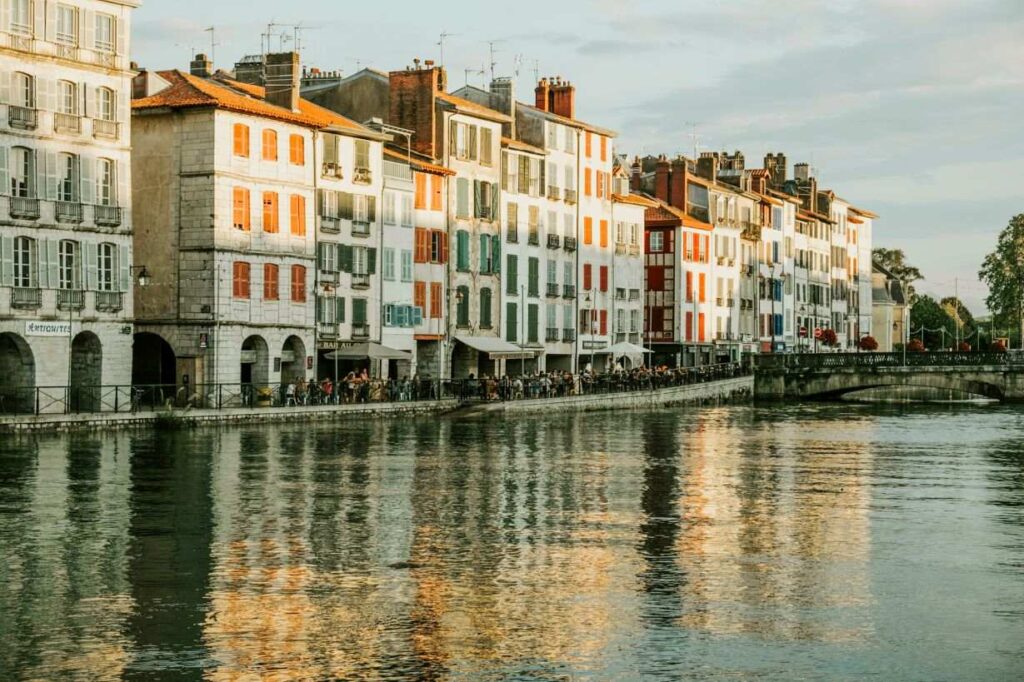
Things to do in Bayonne:
- Strolling the old town and riverside.
- Visiting the Basque Museum to learn about local traditions and the Basque country language.
- Tasting chocolate and ham in the market halls.
Biarritz – Glamour by the Sea
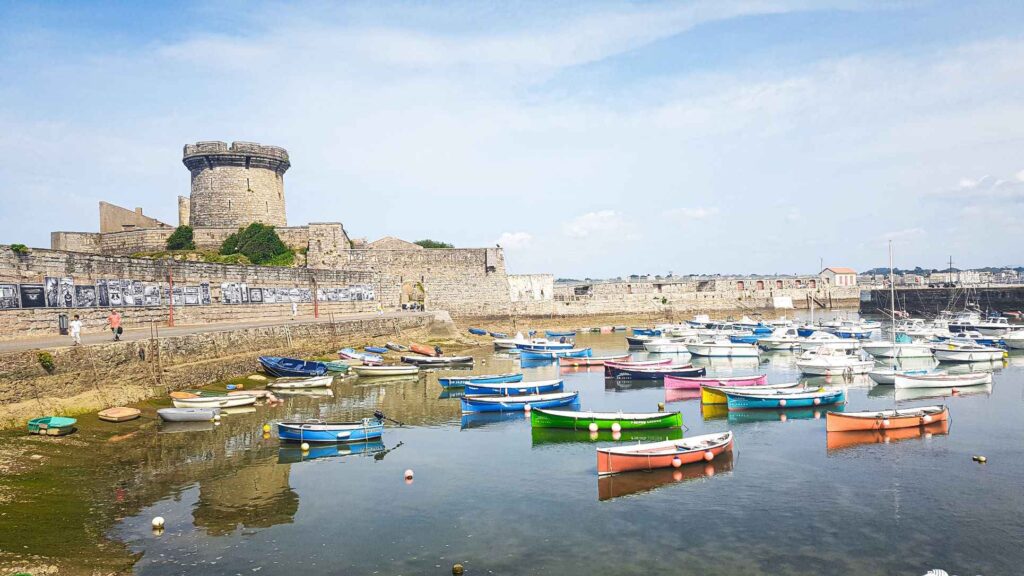
Just a short drive from Bayonne, Biarritz has been a chic resort since Napoleon III’s wife, Empress Eugénie, built her summer palace here. Today, the town is a mix of surfers, luxury travelers, and foodies. Its wide beaches, like La Grande Plage, are perfect for sunbathing or surfing, while landmarks like the Rocher de la Vierge (Virgin’s Rock) offer sweeping views.
Biarritz highlights include:
- The Aquarium and Cité de l’Océan, perfect for families.
- Chic boutiques and local markets.
- Dining on seafood and Basque food specialties.
Anglet – Surf and Sand
Between Bayonne and Biarritz lies Anglet, often called “Little California.” With its 11 beaches stretching over 4.5 km, Anglet is a haven for surfers. It’s quieter than Biarritz but still vibrant, with beach bars and outdoor activities like cycling and hiking trails along the coast.
Saint Jean de Luz France – The Seaside Gem
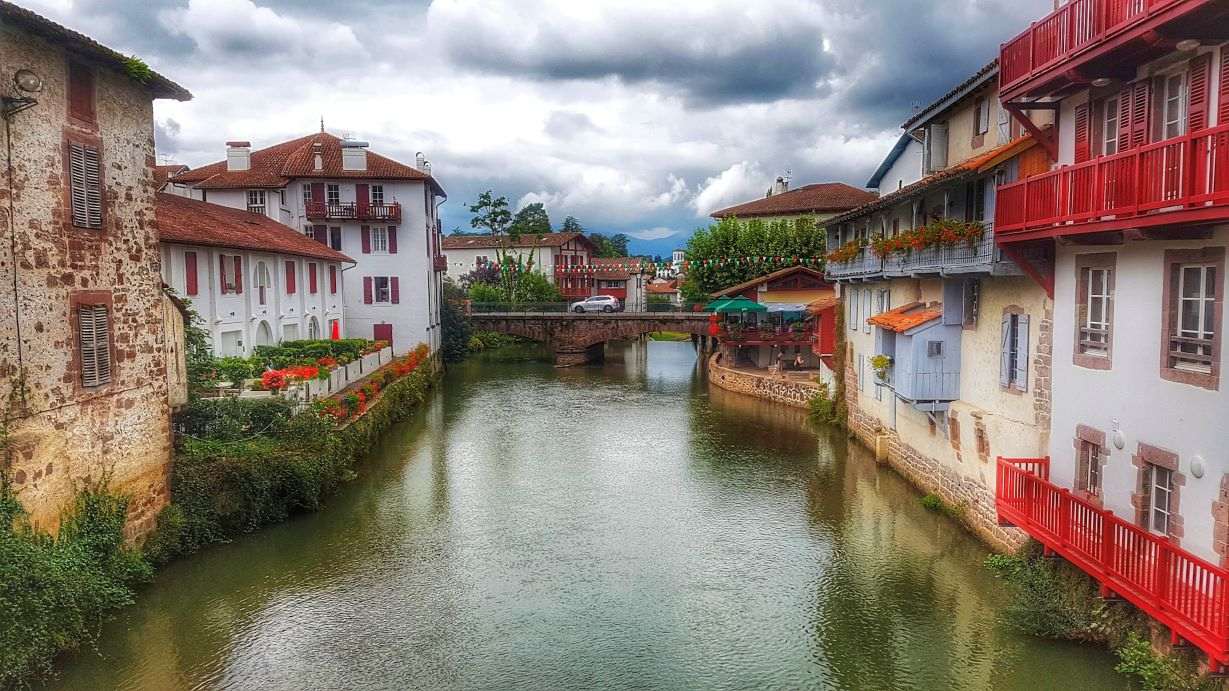
South of Biarritz, Saint Jean de Luz France is a charming fishing town with colorful harbor houses and a lively atmosphere. It’s famously where Louis XIV married Maria Theresa of Spain in 1660, and you can still visit the church where the royal wedding took place.
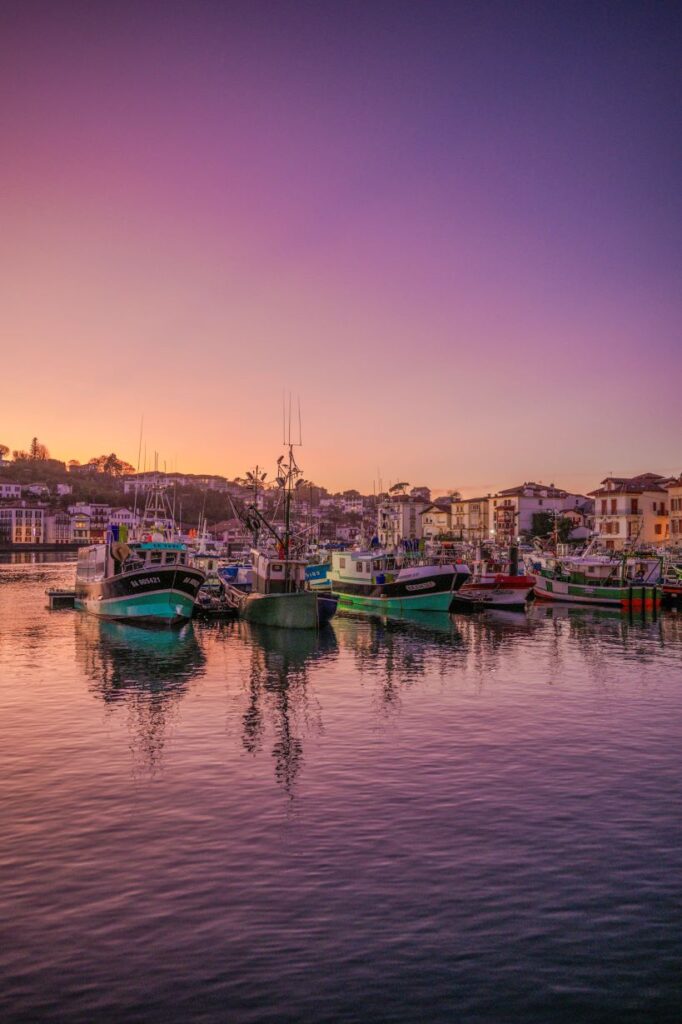
Things to do in Saint Jean de Luz
- Relax on the crescent-shaped beach, perfect for families.
- Wander the old town, with artisan shops and patisseries.
- Sample local seafood dishes in one of the town’s many restaurants.
Hendaye – At the Spanish Border
The last French town before Spain, Hendaye offers a long sandy beach and a relaxed vibe. Its location makes it a great base for exploring both Basque Country France and Spanish Basque Country. Hendaye is also known for Château d’Abbadia, a neo-Gothic observatory castle with fascinating architecture.
Espelette – The Village of Peppers
Heading inland, the village of Espelette is instantly recognizable thanks to strings of bright red peppers drying on the façades of its whitewashed houses. These peppers are more than decorative, they’re integral to Basque food and cooking. The village is small but full of charm, with pepper-themed shops and a lively market.
Highly recommend trying all the delicious food Espelette has to offer.
Ainhoa – One of the Most Beautiful Villages in France
Not far from Espelette, Ainhoa is officially listed as one of “Les Plus Beaux Villages de France.” This picturesque spot is lined with traditional Basque houses, and its location on the Camino de Santiago makes it historically significant.
Sare – Basque Traditions in the Mountains
Another inland gem, Sare is known for its caves, which date back to prehistoric times. The town offers a more rural look at the Basque region, with rolling hills, farmhouses, and plenty of hiking trails nearby. The Petit Train de la Rhune, a vintage cog railway, takes visitors up Mount La Rhune for panoramic views over the Pyrenees and Atlantic.
Cambo-les-Bains – Wellness and Tradition
Cambo-les-Bains is famous for its thermal baths and as the birthplace of the Basque food classic, Gâteau Basque. It’s also home to Villa Arnaga, the museum dedicated to playwright Edmond Rostand. The combination of wellness, history, and culture makes it a rewarding stop.
Final Thoughts
Visiting Basque Country France is like stepping into a world where time slows down, traditions thrive, and every corner has something unique to offer. From the elegance of Biarritz and the cultural richness of Bayonne, to the seaside charm of Saint Jean de Luz France, and the pepper-lined streets of Espelette, the region is a delightful blend of landscapes, flavors, and history.
Whether you’re exploring its beaches, indulging in Basque food, or learning about the Basque country language, this corner of France offers an unforgettable journey. The best part? The region is compact, meaning you can experience both coastal towns and inland villages within a short drive.
So, pack your bags and set your sights on the Basque region, where culture, cuisine, and coastline come together in the most enchanting way.
Happy Travels!
Note: The information here is updated the best we can at the time of writing this article. Please check attractions, activities, and transport before your trip as things tend to change from time to time.